Everything I Know About Nonprofit Marketing, I Learned From Trader Joe’s
Fun fact: I worked at Trader Joe’s for 3 months shy of a decade. What started as a stable job in college became my “fun” job once I became a special ed teacher. Then it became my “we need this job for the grocery discount” job when my husband was in the throes of building his career.
Then I just couldn’t let it go.
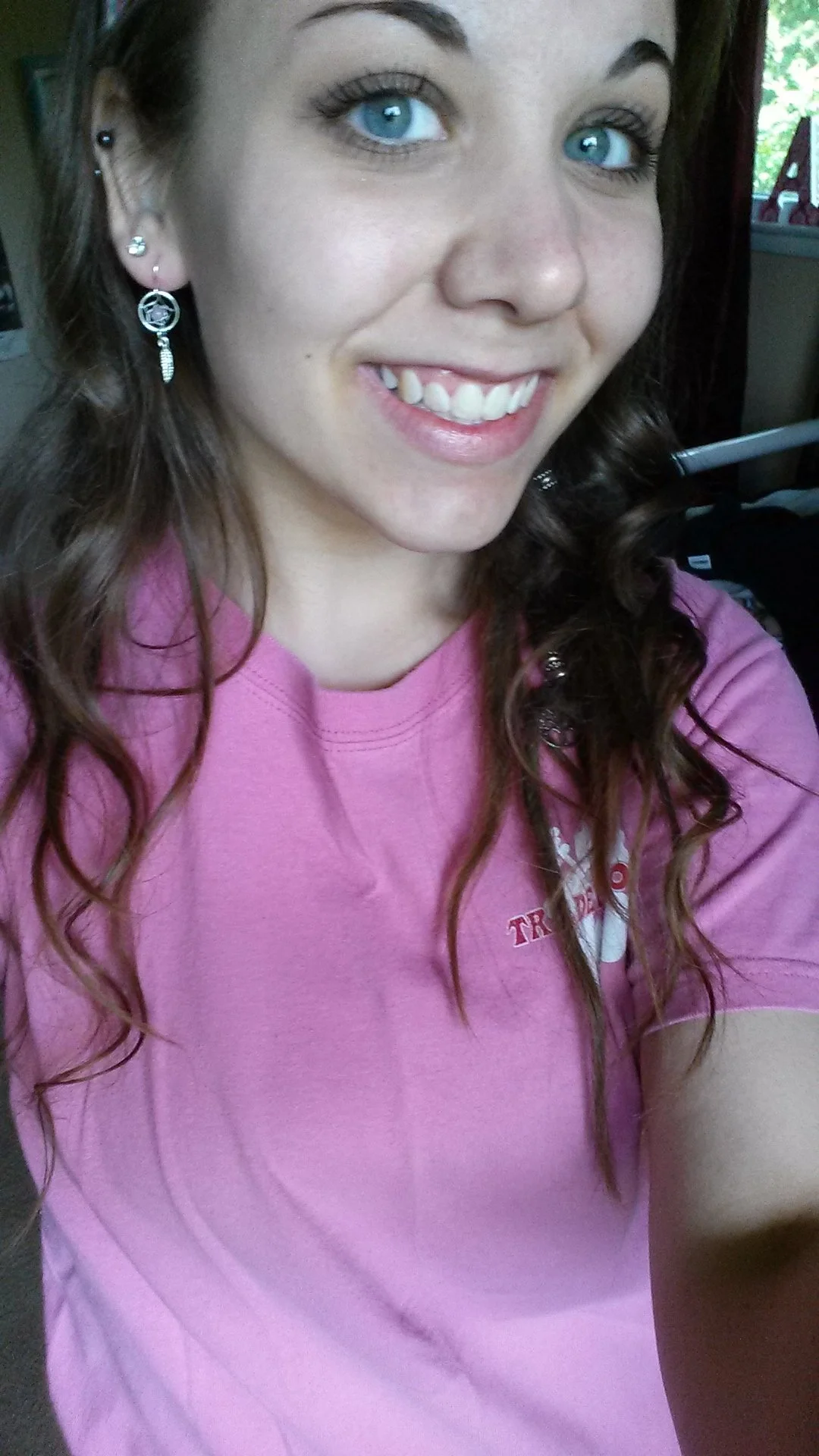
19-year-old Amanda before a shift.
These people had become main characters in my life. They supported me through all my “big girl” events - graduating from college, getting married, starting my teaching career, having a baby, starting a different career, consoling me when I was freshly postpartum (read: extremely hormonal) and had to put my dog down.
I had fun. I got paid well. I felt a sense of belonging when my friends greeted me at 6 am.
It’s my favorite job I’ve ever had, and it’s been the hardest one to leave. You don’t have to work there to know that it’s unlike any other grocery store chain in the United States – that’s why people keep coming back.
What if your supporters felt that way about your organization?
Nonprofit leader, there’s a lot about nonprofit marketing and experience creation that I think you can learn from Trader Joe’s. I’ll tell you why below. Grab a pen – we’re taking notes.
Integrity
This one’s easy: Treat everyone how you want to be treated. Do your work with integrity. This shows up in how you treat employees, supporters, and your transparency in how funds are used.
How you can apply this to your nonprofit: Showing how you operate with integrity is great to reinforce in all channels of your nonprofit marketing strategy. This is especially important within your Impact Reports. When you operate with integrity, it shows up naturally, further building your trust with prospects and supporters.
Product-Driven
For the store, this means sourcing the highest-quality, most unique items. While your nonprofit probably doesn’t sell goods, let’s apply this to your programs or services and how you talk about them.
How you can apply this to your nonprofit: The language you use within your marketing strategies is indicative of your values and how you want your nonprofit to show up in the community. Talk about how your programs or services are bettering the community. What outcomes are beneficiaries seeing? Always remember to share beneficiary stories with permission and dignity. When you speak about your programs and demonstrate positive outcomes, you become THE go-to for that solution.
WOW! Customer Experience
This essentially means treating customers as if they were guests in our home. Go above and beyond. Roll out the red carpet, so to speak. Give someone flowers and a chocolate bar at the register after they tell you they’ve just been diagnosed with cancer (yes, this happened. I think about that woman often.) Engage and occupy the kids so their parents get a micro-break and check everything off the grocery list. You get the idea.
How you can apply this to your nonprofit: Creating a WOW experience can go for donor relations and stewardship as well as building relationships with beneficiaries. When donors discover your mission, they’re also looking at the culture you create. How are you operating with integrity? How are you delivering outcomes to beneficiaries? Are your employees happy to do this work, or is it evident that they’re unhappy? Are volunteers excited to come and help you with the next project? When beneficiaries come in, how can they trust that you’ll help them without judgement?
This should be number one for your beneficiary and donor relations best practices.
No Bureaucracy
The focus here is organizational agility and efficiency – without the unnecessary administrative layers that can hold things up.
How you can apply this to your nonprofit: I view this in how you operate within your own team as well as with external partners. Having too many opinions on one thing can stall progress. A leader who refuses to delegate won’t move the mission forward. “Top” marketing firms for nonprofits may have good intentions, but get your messaging confused. When there are multiple points of contact, make sure the goal is to advance the mission with integrity. Again, this will be evident within your nonprofit marketing strategies and fundraising campaigns.
Kaizen
This is a Japanese word that sums up the philosophy of constant self-improvement. This means employees strive to do a better job every day, in all areas.
How you can apply this to your nonprofit: What would the world look like if you were so good at your job that the problem you’re solving no longer exists? It may seem like a pipedream, but operating out of the belief that you are closing a major gap keeps hope alive for everyone. How are you solving this problem in ways other organizations aren’t? What’s specific to your community that can maximize your impact? How are you improving your organization’s environment? Self-improvement exists within your organization. Make it evident.
The Store is Our Brand
This value extends creative and experiential freedom to each store. That means individual stores should reflect the neighborhood they’re in while creating a fun, welcoming environment for customers. This concept helps create a customized experience at each store.
How you can apply this to your nonprofit: Your culture should feel unique. Whether you’re in a building, a field, or working remotely, you’re creating a culture with in-person interactions AND through your digital presence. This is why having high-quality community-focused social media posts, emails, mailers, and other nonprofit marketing materials is so important. Even online, you’re creating and/or reinforcing your culture. How do you want a donor or beneficiary to feel after leaving an interaction with you?
Your “Neighborhood” Grocery Store
Stores are encouraged to become engaged with the community they’re in. They do this by acts like donating unsellable food to local food banks. The store I worked at does this, and they also donated to support the high school that’s across the street. It’s truly about integrating with the community and making the neighborhood better for everyone.
Notice that Trader Joe’s doesn’t spend a lot of money on advertising. They don’t need to – they’ve created such an environment of belonging and quality that word-of-mouth is enough to build their cult following (I mean that in the best way. The Joe crowd is loyal!).
How you can apply this to your nonprofit: I feel like many nonprofits have been sold on the lie that you need to operate in a silo. I don’t believe that, especially in terms of fundraising and development. How can you integrate with your community? What businesses or organizations can you partner with?
I believe the greatest impact happens when we reach across the aisle or call on someone else for their connections and expertise. What fundraising ideas or activities can you do when you collaborate with “unlikely” partners? Having a village requires you to be a villager. Make the connection. Spark the partnership. We’re better together.
How Do These Ideas Connect to Your Nonprofit Marketing Strategy?
The friends I made at this job are still a part of my life. Many of us have moved on from stocking shelves, and now we’re connecting each other to opportunities, supporting each other’s businesses, or just showing up at each other’s events. These are relationships that last.
How are you building that in your nonprofit?
Your mission deserves to be amplified with integrity across all channels. Doing this consistently can be tricky for small to mid-size nonprofits. If you want messaging that demonstrates your integrity and moves your mission forward, Email Advocates may be exactly what you need!
This is my 12-month retainer service where I create and implement your email marketing strategy and integrate it with your other marketing efforts – so you never have to feel like you’re piecemealing. From website copy updates to mapping out the emails for your next campaign, I’ve got you covered. Let’s talk about what that can look like for your nonprofit in a no-pressure chat.
*DISCLAIMER: These opinions are my own and do not reflect the opinions of the Trader Joe’s company or their current employees.
